Trauma and a desire for a child
For people who have experienced trauma, thinking about having a child can be very complicated and sometimes painful. This applies to both women and men.
Perhaps you recognize that you are asked questions from your surroundings when: “And, do you want children?” Whether you see brothers, sisters, or friends having children while you or you are not yet ready for it. Or that you very much want to, but don’t dare. It could be that you shut down, respond evasively, or quickly change the subject. On the inside you may feel confused, sad, or angry. Or else, you may feel nothing at all. Everything you experience is okay. Both the pressure from the outside and the inner struggle can be heavy. It’s okay to have it all.
You may be afraid that you are inflicting the same injustice on your own children that was inflicted on you. Perhaps you wonder if you will be able to break patterns. Or you wonder if you could even be a good parent and if you should even start trying to be one.
Trauma and pregnancy
The pregnancy itself can also cause questions. Maybe you’re wondering if you should first work on your trauma before getting pregnant. Or you feel anxiety about the changes in your body, the tests, and what all that might trigger in you.
Please know that you are not alone. Many people struggle with these questions, sometimes for years. It can be helpful to talk about them with someone you trust. If that still feels too scary, you can also start an anonymous conversation via several websites or find contact with fellow sufferers. You don't have to do this alone.
Whether you choose to have a pregnancy or not: your choice is your choice and deserves respect.
Being pregnant with a trauma background
If you have experienced traumatic experiences such as domestic violence, sexual violence, or a traumatic childbirth, a pregnancy can be extra exciting and complicated. Your body changes, there are many medical checks, and the birth can evoke memories or feelings of insecurity. Know that this is normal. And you don’t have to carry this alone. Talking about it can be enormously helpful; with your partner, your obstetrician, a therapist, or someone you trust.
What can support be given during pregnancy?
- An involved obstetrician
A midwife is there to support you. In most practices and hospitals there is a lot of knowledge, but not everyone has experience with trauma. Therefore, it can be very helpful to, if possible, indicate what you need. There is also trauma-sensitive midwifery care.
- Share your story; you decide how much and when
You don’t have to tell everything in detail or immediately. Sometimes it’s enough to say that you’ve had a bad (sexual) experience. A midwife is not there to ask you about or treat your trauma, but to ensure that you receive the care that suits you. It may be that over the course of the pregnancy you’ll feel more comfortable sharing things if you build a better relationship with your midwife, but that doesn’t have to be the case.
- Tension during investigations
It is understandable if you experience tension or discomfort during examinations or touch. dissociation You are not alone. You can discuss what helps you, such as having clear instructions about what is happening or when you are being touched. Center for Sexual Violence made a sample letter for care providers It can be used to clarify your wishes and boundaries. Even if there is no mention of sexual trauma, the letter can serve as inspiration.
- Self-regulation
If it feels difficult to talk openly about your experiences, you can also use self-regulation exercises. For example, exercises to stay in the here and now. See the resources once for inspiration.
- Take a rest period
Keep in mind that appointments can take a lot of energy. Plan time consciously to land and rest – for yourself and for your baby.
- Preparation for childbirth
It can be helpful to work with your healthcare provider to create a birth plan. Also, be aware that a birth can be different from what was planned. This can be difficult for someone with a trauma background. It helps if you talk about it in advance with your healthcare provider.
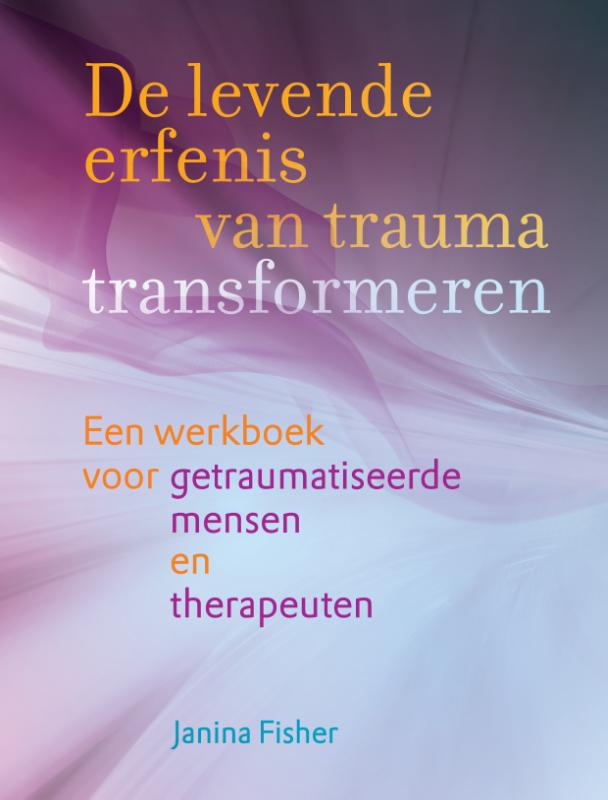
Reading tip
A workbook for traumatized people and therapists
More about this topic
- What is trauma?
- What are the consequences of trauma?
- Can you recover from trauma?
- Different types of trauma
Related articles
- What is trauma?
- What are the consequences of trauma?
- Can you recover from trauma?
- Different types of trauma