PTSD: causes, symptoms and treatment
Post-traumatic stress disorder (PTSD) is a mental disorder that develops after experiencing and/or witnessing one or more traumatic events.
Here you will find an overview of information about PTSD, book recommendations, and articles.
Explanation of PTSD
PTSD and the nervous system
PTSD is often accompanied by a state of hyperarousal. This can manifest as increased irritability, the feeling of constantly being ‘on,’ and difficulty relaxing.
Your stress system remains active, even when there is no longer any immediate danger.
More about the nervous system:
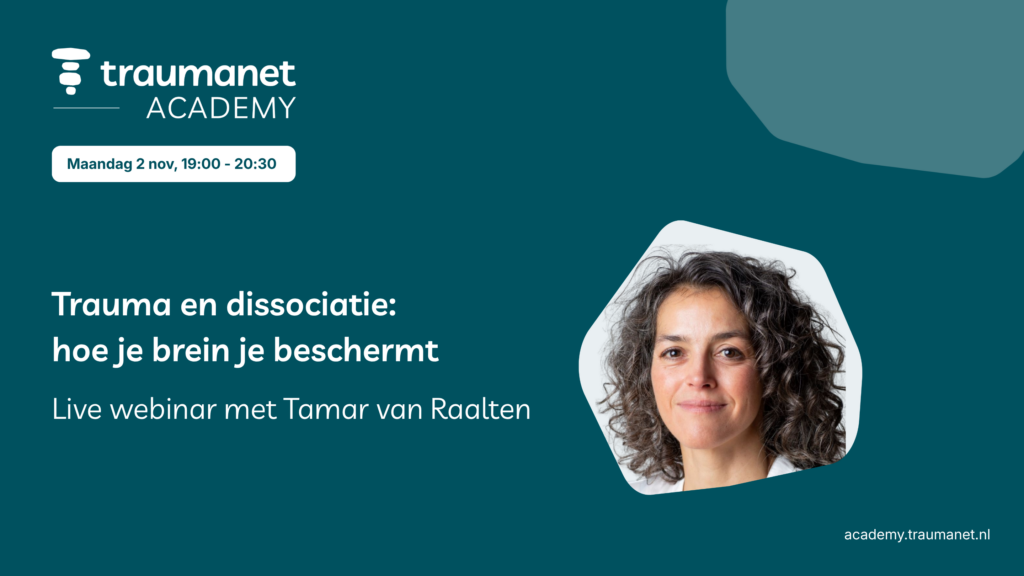
Webinar: 2 november 2026, 19:00 uur
Trauma en dissociatie: hoe je brein je beschermt
In conversation with Tamar van Raalten

Treatment of PTSD
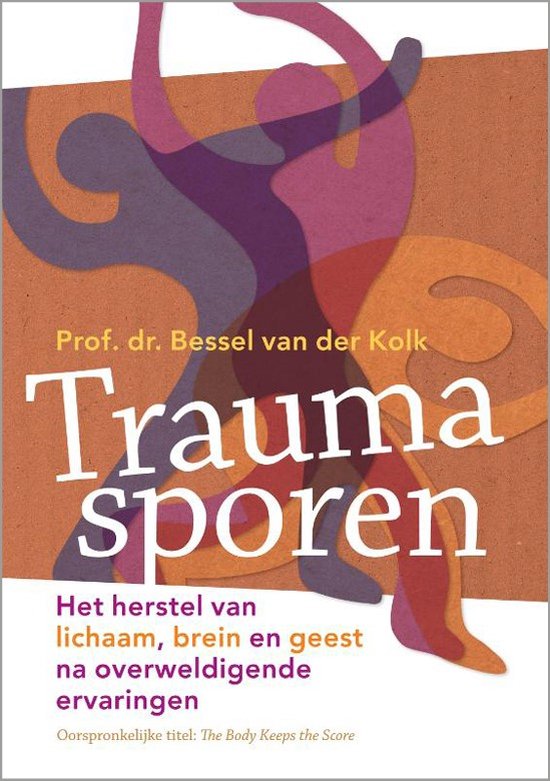
There are several well-researched and widely used forms of treatment for PTSD. In the PTSD care standard are the following treatments recommended:


Frequently asked questions about PTSD
What is PTSD?
Post-traumatic stress disorder (abbreviated as PTSD) is a psychological condition that develops after experiencing or witnessing one or more traumatic events.
What are the symptoms of PTSD?
PTSD is characterized by symptoms within four different categories: re-experiencing (intrusions), avoidance, negative feelings and thoughts, and hyperarousal. Which symptoms someone suffers from, and to what extent, varies from person to person.
Can you recover from PTSD?
Yes, recovery from PTSD is possible. With the right support and treatment, symptoms can significantly decrease or even disappear. The recovery process from PTSD varies per person.
What is the difference between PTSD and complex PTSD?
Complex PTSD (abbreviated as C-PTSD) develops after repeated and prolonged traumatic experiences. In addition to the ‘classic’ PTSD symptoms, people with C-PTSD also experience problems with emotion regulation, relationships, self-image and self-confidence, and dissociation.
Is trauma the same as PTSD?
A common misconception is that trauma and PTSD are the same thing. Although these two terms are closely related, there are important differences. Not everyone with trauma has PTSD; conversely, everyone with PTSD also has trauma.
PTSD is a result of traumatic experiences.
Who develops PTSD?
Approximately 80% of the Dutch population experiences at least one traumatic event in their lifetime. The majority of these individuals do not develop long-term symptoms. It is estimated that about 9% develop PTSD. This can happen to anyone, regardless of age, gender, or background.