Cultural sensitivity project
Binnen het Traumanet Cultuursensitiviteit Project werken we in co-creatie met ervaringsdeskundigen en experts aan een doorontwikkeling van ons platform. We maken Traumanet stap-voor-stap inclusiever en cultuursensitiever.
Zo sluiten we beter aan bij de diversiteit van de Nederlandse samenleving en dragen we bij aan toegankelijke, passende ondersteuning voor iedereen die met trauma te maken heeft.
Within this project, we explicitly aim not only for better accessibility of our offering and platform, but also for more (re)recognition, mutual understanding, and exchange between different cultural perspectives.
Healing occurs in connection. And every culture possesses valuable and often under-appreciated sources of resilience and healing that can contribute to recovery and the handling of profound experiences.
With this project we want to contribute to:
- Making visible various (cultural) perspectives on trauma and healing
- Broadening the often dominant Western view on trauma
- Making reliable knowledge and practical tools available on trauma and healing more accessible
- Breaking the stigma and normalizing trauma complaints
- Facilitating dialogue tables and encounters around the impact of trauma and sources of resilience and healing
Background
Traumanet is growing steadily. Since the founding of our online platform in 2023, we have been able to reach more and more people with accessible and reliable information and practical tools on trauma, resilience, and healing.
At the same time, we note that we are still not reaching an important target group: people with a migration background. It is precisely within this group that traumatic experiences are relatively common, for example due to war, forced migration, racism, or intergenerational burdening. Furthermore, a significant proportion of people with a migration background find themselves in a vulnerable position due to language barriers, socio-economic factors, unfamiliarity with the healthcare system, or a lack of a supportive network. As a result, they often have less access to appropriate help and information, while the need is actually high.
Towards a more inclusive and culturally diverse TraumaNet
Almost a quarter of the Dutch population (24.8%) has a migration background (Pharos). The Netherlands is therefore undeniably a multicultural society. Yet the knowledge and support surrounding trauma is still strongly Western-oriented and insufficiently adapted to different cultural perspectives. This leads to less (h)erecognition of trauma complaints, higher barriers to seeking help, and a lack of appropriate support.
Cultural background plays an important role in how trauma is understood and addressed, how and with whom help is sought, and the role played by family, community, and meaning in recovery. The current offerings of Traumanet do not sufficiently take this into account, leaving a significant group of people without the information and support they need.
Therefore, making Traumanet more inclusive and culturally sensitive is a logical and necessary next step. In this way, we better align ourselves with the diversity of the Dutch society and contribute to accessible, appropriate support for everyone who faces trauma.
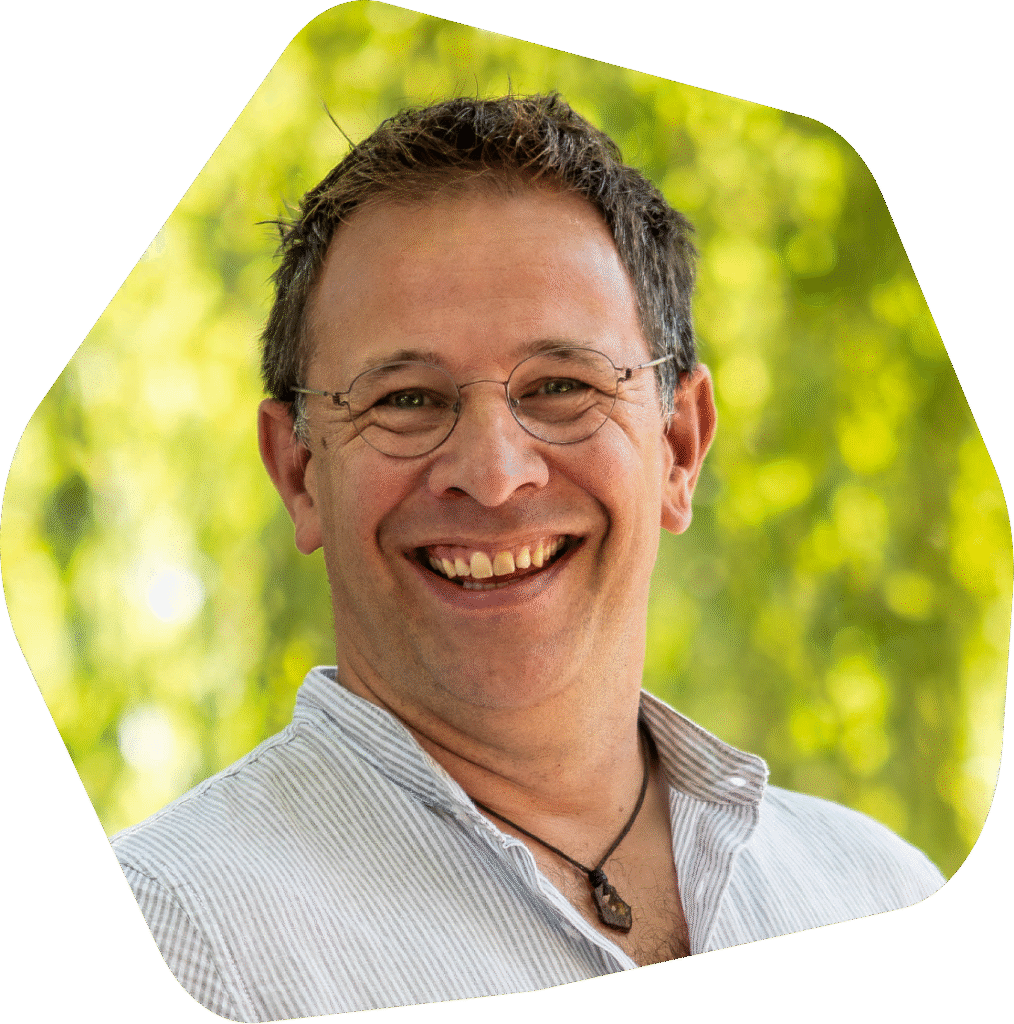
‘By facilitating exchange around the impact of trauma and the sources of resilience and healing from different cultures, we hope to broaden the dominant Western approach to trauma and contribute to greater mutual understanding and connection between different groups in society.
Frank Bonekamp, project manager and general director of Traumanet
Would you like to contribute to this project?
Within this project, we work in close co-creation with experienced experts and experts in trauma and transcultural work.
We have currently started with a core team of 10 members who inspire and advise us from different professional and cultural backgrounds. Throughout the project, we will also seek collaboration with various organizations specializing in trauma and transcultural psychiatry.
Would you like to contribute to this project or do you have a good idea? Send a message to project manager Frank Bonekamp.