What is Trauma-oriented Cognitive Behavioral Therapy?
Trauma-oriented Cognitive Behavioral Therapy, abbreviated TG-CGT, is a therapy form developed for children and young people aged 8 to 18 years with mental health complaints that have arisen after experiencing distressing, significant experiences. TG-CGT is sometimes also described as TF-CBT, according to the English translation Trauma-focused cognitive behavioral therapy.
The treatment focuses on various aspects, such as:
- Knowledge of trauma
- Changing non-productive thoughts
- Exposure by writing and sharing the story
- Recognizing triggers
- Dealing with emotions and stress
- Support from parents
- Skills to be stronger in the future
How did Traumagerechte Cognitive Behavioral Therapy come about?
TG-CGT is a protocol-based (written down) treatment program developed by Cohen, Mannarino and Deblinger in 2006. The treatment consists of several modules in which trauma processing interventions, cognitive behavioral principles, and knowledge about attachment, neurobiology, systemic work (family), and empowerment are integrated with each other.
In 2008, the protocol was translated into Dutch on behalf of the youth aid organization. The Bascule (now Levvel) and the research department of Child and Adolescent Psychiatry at AMC.Â
How does Traumagerichte Cognitive Behavioral Therapy work?
The TG-CGT treatment consists of several parts/steps:
- First, children/young people and parents are given more information about trauma complaints and they are taught skills to cope with them, such as recognizing tension and what helps to reduce it.
- Next, the child or young person writes a story about what they experienced, with the therapist helping them to reflect on the feelings and thoughts associated with it.
- After that, the child or young person shares the story with an important adult – often one of the parents or caregivers.
- In the final phase of treatment, you start working on the future.Â
Getting started with a workbook
 
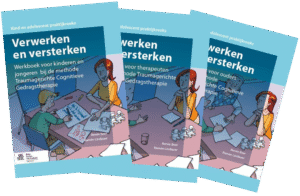
The treatment is carried out using a workbook Processing and strengthening. There is a workbooks for children and young people, a workbook for parents and one workbook for therapists.
In these workbooks, the therapist works with parents and young people on assignments and exercises. These can also be done at home.
In some psychiatric institutions, the first four steps of the treatment can also be carried out digitally using a system developed by Your Environment Specially developed online treatment program.
For which complaints can Traumagerechtige Cognitieve Gedragstherapie be applied?
The treatment focuses on reducing trauma-related symptoms, for example:
- Sounds continue to be heard and images are seen that are associated with the event
- Thoughts about the event (reexperiences)
- Trouble concentrating
- Being irritable
- Nightmares
- Fear
- Always on alert and tense
- Hiding what happened and feeling less
- Being uncertain and having difficulty trusting other people.
You can find the animation on YouTube Letting trauma not tear you apart with examples of complaints after unpleasant experiences.
Where can I find a TG-CGT therapist?
It TF-CBT network in the Netherlands has trained psychologists, orthopedagogues and psychiatrists to be able to provide Trauma-oriented Cognitive Behavioral Therapy.
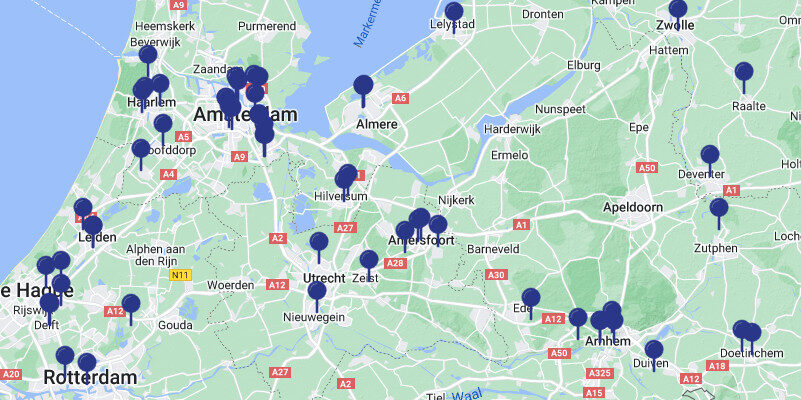
The website of the TF-CBT network offers a overview of places where TF-CBT therapists can be found.
Where can I find more information about Traumagenerative Cognitive Behavioral Therapy?
Op TF-CBT Network Netherlands You will find explanations, videos, and an overview of therapists.
Reading tips
And the corresponding workbooks Processing and strengthening:
Viewing recommendations
Read more?
Watch tip
Processing & Strengthening online
A short animation with an explanation of the program.
In collaboration with
Rik Knipschild
GZ psychologist and psychotrauma therapist at Karakter and researcher.