What is Brief Eclectic Psychotherapy for PTSD
Brief Eclectic Psychotherapy for PTSD (BEPP) is an individual, intensive treatment for processing often multiple traumatic experiences. It has been specifically developed for people with post-traumatic stress disorder (PTSD).
The therapy emphasizes allowing the intense emotions of sadness and anger associated with the traumatic experiences. As a result, fear can decrease and avoidance and suppression are broken. There is also mourning for what was lost.
At BEPP, the partner or someone who supports you is involved in the treatment.
Various parts
The treatment utilizes:
- Psycho-education (explanation of trauma, PTSD, and treatment)
- Imaginal exposure therapy (controlled reliving of the events)
- Writing prompts and objects with memories
- Meaning-making
- Skills for the future
- A farewell ritual
How was BEPP created?
BEPP was developed in the 1980s by Prof. Dr. Berthold Gersons for police officers with PTSD at the AMC. Here he also founded the police outpatient clinic. This is now part of ARQ National Psychotrauma Centre.
Meanwhile, BEPP has been applied for years in many countries to various people with PTSD. In BEPP, elements from various psychotherapy orientations are brought together, such as cognitive behavioral therapy, hypnotherapy, psychodynamic psychotherapy, and directive therapy.
Previously, the therapy was known as KEP, but to better align with the English name (Brief Eclectic Psychotherapy for PTSD) this Dutch name was chosen.
What does a BEPP treatment look like?
The treatment consists of 16 sessions. Each session has a specific goal.
Session 1: psycho-education
In the first session, you will see the connection between your symptoms and the trauma you experienced. The central question is why it is that you can still be afraid of something from the past. You will then receive an explanation about PTSD and the content of the treatment. You can bring your partner or someone who is supportive to you.
Sessions 2 to 6: exposure and writing
In the following sessions, imaginal exposure will take place. After brief relaxation exercises, you will return very slowly to the event as if it is happening again. The goal is to express emotions and break through anxiety. This phase can be stimulated by bringing objects that are reminders of the event.
In this phase, you can also write a letter, for example to express anger or to say goodbye. Drawing is also an option.
Session 7: evaluation
Together with the therapist and partner or loved one, you evaluate the progress of the therapy so far, and discuss what might need to be done differently or what is still needed. The goal is that in this phase the symptoms have largely disappeared and you, as it were, ‘wake up’.
Sessions 8 to 15: giving meaning
Central to these sessions is the fact that you are no longer the same. That you may have become sadder, but also wiser. Now you are dealing with the question of how you view the world and yourself.
In session 15, the farewell ritual is prepared. This means saying goodbye to the trauma in a symbolic way, and deciding how and with whom you will celebrate moving forward into the world again.
Session 16: looking back and looking ahead
In this meeting, you look back at what you have learned and how you can continue to use this in the future.
The therapy is concluded with a farewell ritual, which the therapist does not attend.
What symptoms is BEPP for?
Traumatic experiences leave deep traces in daily life. People with post-traumatic stress disorder (PTSD) suffer from psychological and physical symptoms long after the traumatic events.
The complaints often manifest in the form of:
- Anxiety and tension
- Flashbacks
- Avoidance and repression
- Constant alertness and vigilance
- Severe irritability
- Mood swings
- Anesthesia
Where can I follow BEPP?
For a BEPP treatment, you can go to a healthcare psychologist, psychotherapist, clinical psychologist, psychiatrist, or clinical nurse specialist who has been trained in this. Often also at institutions that offer specialized trauma treatment.
Where can I find more information about BEPP?
ARQ National Psychotrauma Centre offers comprehensive information about the background and working method of BEPP.
Reading tip
- Handbook of Post-Traumatic Stress Disorders – pages 543 – 550 ‘Brief Eclectic Psychotherapy for PTSD (BEPP)’
Viewing recommendations
Watch tip
Brief Eclectic Psychotherapy for PTSD
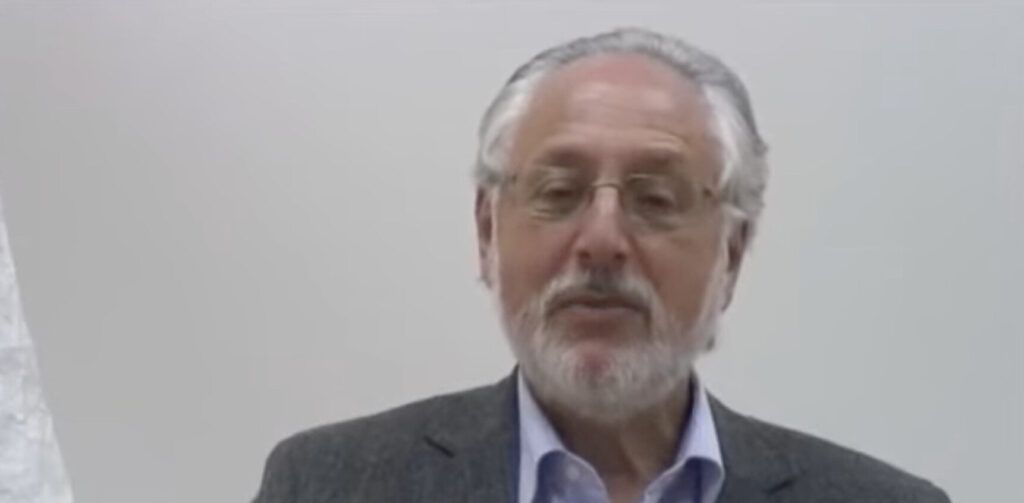
Video with Berthold Gersons
In collaboration with
Berthold Gersons
Developer of the BEPP, senior scientific advisor of ARQ National Psychotrauma Centre and professor emeritus of psychiatry at the Amsterdam UMC.