When the brain receives too many and too intense stimuli to process, it can temporarily shut down a part of consciousness as a form of protection. For example, you might not feel pain or emotions for a while, or you may become spaced out and no longer respond (properly) to your surroundings.
Dissociation can be a reaction to:
- Severe emotional and/or physical stress
- Severe physical pain
- Anxiety and tension symptoms
- Chaos and overstimulation
- Unprocessed trauma
- Sleep deprivation and fatigue
- Drug and/or alcohol use
- Medical problems, such as brain injury and certain forms of dementia
Dissociation can last a very short time, from a few seconds to minutes, but in some cases much longer. This depends on the person, cause, and circumstances. The degree of dissociation can also vary greatly.
Dissociation as a defense mechanism
Dissociation can occur in response to intense emotional and physical feelings, and at high levels of stress. At such a moment, dissociation serves as a defense mechanism of the brain: you temporarily experience less consciously what you are feeling and what is happening around you. An example of this is not feeling pain when you are indeed seriously injured, or not feeling emotions when you have just received intense news.
Especially when you experience unsafe and highly stressful situations at a very young age, the brain can learn to, as it were, escape from reality by dampening, distorting, or blurring it. This defense mechanism can then remain active for a very long time and be triggered over and over again in situations perceived as stressful.
Dissociation as a result of unprocessed trauma
Although dissociation can be an effective defense mechanism in intense situations, it can become a hindrance when it continues to occur in situations that are not actually threatening or overwhelming, but are still perceived as such by your system. This regularly occurs in people with unprocessed trauma.
Dissociation can then triggered can occur when you are suddenly confronted with something that reminds you of a previous traumatic experience. It can also happen in situations that are consciously or unconsciously stressful for you, such as going to the dentist or traveling by public transport.
Reading tip
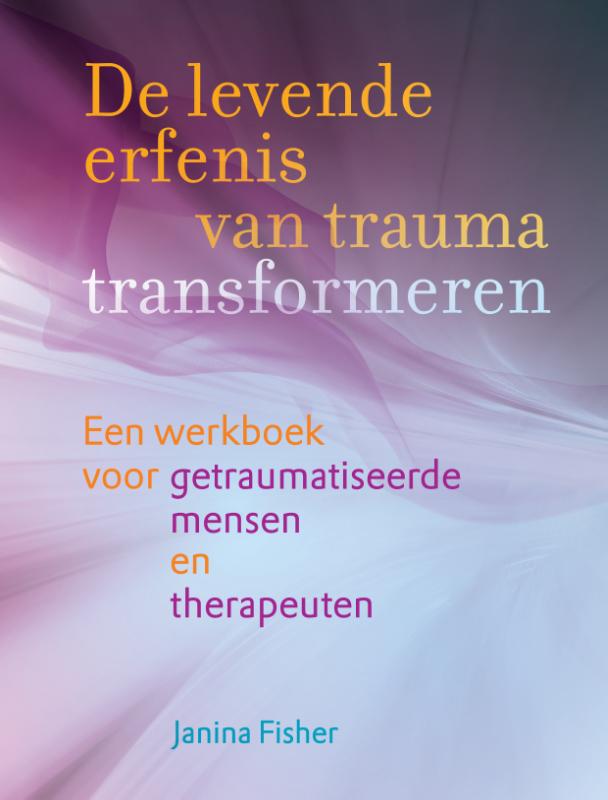
A workbook for traumatized people and therapists
More about this topic