Generic filters

Haptotherapy

Haptotherapy is a form of therapy that helps you connect more deeply with what you feel. Haptotherapy can be applied to many different conditions, including trauma-related ones.
Home » Information » Haptotherapy

What is haptotherapy?

Your body is a storyteller. Experiences are stored in your body from the very beginning, which is why you develop a body memory. And in your physicality you show how you stand in the world: in tension and relaxation, tightening and loosening, in posture and movement.

Warning signs of danger and safety

In Haptotherapy, feeling is central. Feeling is a basic ability with which we open and close, and we naturally reach out to what makes us feel good and withdraw from what doesn’t.

By feeling the ability to go inward, we maintain contact with ourselves and our state of being. The ability to feel the ability to go outward informs us about the environment. For example, we receive signals of safety and danger, and can thus adapt to the environment.

Haptotherapy helps people find their way (back) to the ability to feel. It focuses on innate body awareness and body sensitivity.

You will listen and learn about who you are (have become) and how to navigate life in harmony with yourself and others.

Haptotherapy originated from haptonomy, a science that focuses on the role of the sense of touch in human functioning. Haptotherapy was developed by the Dutch physiotherapist and psychologist Frans Veldman in the 1960s of the last century.

Haptotherapy emerged from haptonomy as an application of haptonomy in a therapeutic setting.

Haptotherapists can help you get back on your own feet. The more you can come home and stay in your own body, the longer you can be in the here and now and make choices from there.

Haptotherapeutes focus on the ‘emotional narrative’ of people. Besides the emotional movements being visible and tangible to the client, the therapist uses their own physicality to observe how they resonate with the client.

Calm down and gain confidence

Haptotherapeutes work with you to explore what feels comfortable and safe. It is important to restore balance at a deep, felt level: by helping the body calm down and by restoring trust in social relationships.

Therapy uses conversation, touch on the treatment couch and/or experiential exercises. The approach is about what you feel within yourself and how to make contact with others and the environment feel appropriate.

Haptotherapy is used for both physical and psychological complaints, such as (unexplained) physical complaints, stress and burnout, trauma processing or questions related to personal development. In addition, there is haptonomic pregnancy counseling.

Trauma-related complaints

Traumatic experiences are overwhelming: they come in without a knock on the door. The normal consciousness and mind do not contain them, and the bodily reactions take over. The stress system is extremely activated, and the memory of the events is not stored in a logically coherent narrative. 

Trauma often results in disconnection from bodily sensations. However, the body is also prevented from becoming a safe haven with its own navigation system for well-being, stress regulation, and the establishment of safe relationships. 

Insecurity 

What initially appears to be protection eventually takes its toll. The warning signals continue to circulate in the body, without finding a way out. Trauma damages the sense of security at an elemental level. Chronic stress, rapid alarm response, and feelings of insecurity are the result. 

In the basic training in haptotherapy, the haptotherapeutic principles are taught and can be incorporated into one’s own professional practice, for example as a physiotherapist, midwife, coach, or social worker.

The extensive training for a hypnotherapist focuses heavily on the lifespan, the consequences of early (unsafe) attachment, and how to help with the disruption of the stress system. A large number of hypnotherapists have received additional training in trauma therapy.

In particular, when dealing with severe trauma, hypnotherapists prefer to work in addition to and in collaboration with (psychological) therapists in regular healthcare services.

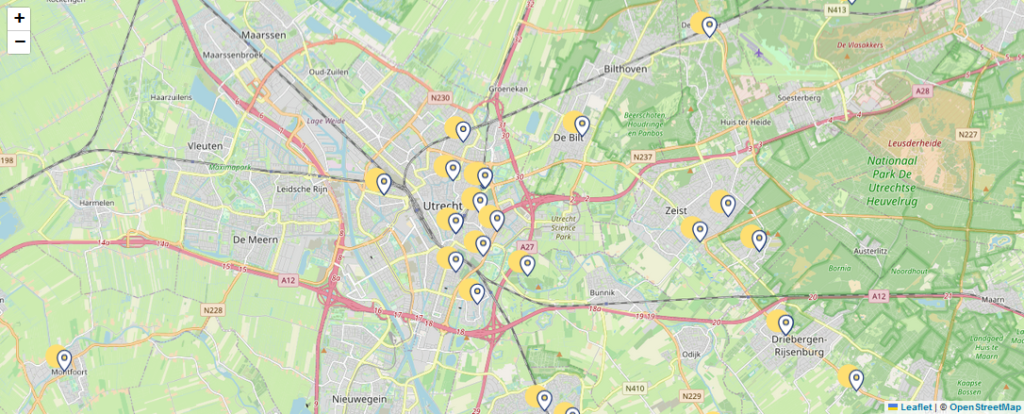
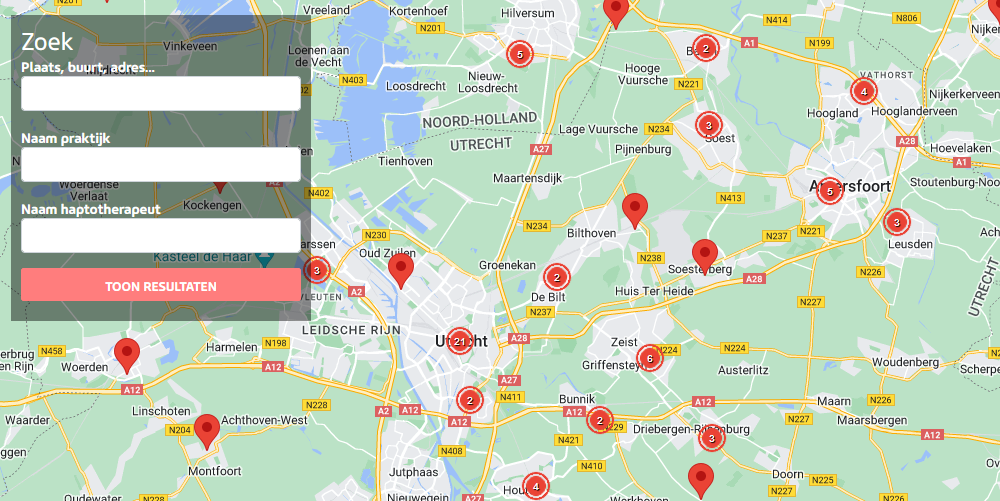
Registered haptotherapists can be found at:
Watch tip

A short animation
haptonomy

In collaboration with

Lidy Cornelissen and Barbara van Ruitenbeek

Lidy Cornelissen Is a GZ-haptotherapeut, psychiatric nurse, haptonomic pregnancy counselor, and a teacher at the academy for haptonomy. Barbara van Ruitenbeek Is a GZ-haptotherapist/orthopedagogue with her own practice for GZ-haptotherapy and orthopedagogics.

Current

Internal Family Systems: an in-depth report from Oxford

Traumanet goes Transform Trauma Oxford – A travelogue

‘The traumatized brain does not predict the future, but the past’

What do you stand for?

With the Signpost you will find information that fits your situation. Your choices are visible only to you.


I am looking for information about


View result
PTSD and Relationships Banner

Op Thursday, October 1 we are organizing a live webinar with psychologist and relationship therapist Aerjen Tamminga. About PTSD, the impact on relationships, and how to deal with it together.