Every pregnancy is unique. How you involve your partner depends on what you want to share. Perhaps he or she is not aware of the traumatic experiences you have experienced or only partially aware of them. Perhaps he or she knows everything. You decide the pace and the limits regarding what you want to share.
Sometimes asking for help is already a huge challenge. For some, it is then the
The easiest way to ask for practical support is to do so. It could also be that you find it pleasant to share more about how you feel and what’s on your mind. Both are fine.
Many of the tips below are also helpful for women without a trauma history.
For women with traumatic experiences, the emphasis is often somewhat stronger on safety,
predictability and (joint) ability to deal with triggers and inform others about them
how to respond to this in an appropriate way.
Practical support
During the course of pregnancy, your body may feel heavier and more tired.
You may also have a harder time getting a ‘full head’ or find it more difficult to keep things in perspective.
Then your partner can help you by:
- Taking on household tasks;
- Cooking or doing the shopping (including planning what to eat);
- Managing matters such as maternity care, child benefit, leave, or insurance;
- Taking care of any other children;
- Together, to prepare the baby room.
Even giving up on small things can bring you space and peace of mind.
Together to medical appointments
For some ultrasounds or check-ups, it can be helpful if your partner comes along.
- With tension, it can be difficult to remember everything; your partner can listen, ask questions, or take notes. You can record conversations if necessary.
- Conversations that are exciting can be prepared in advance together.
- Your partner can help you discuss difficult topics, including those related to trauma.
- If you find it difficult to set (physical) boundaries, your partner can do this with you.
Keep checking regularly what is helpful for you; that may vary from time to time.
Emotional support
If you have experienced traumatic experiences, a pregnancy can be confusing, emotional, and sometimes lonely. This can make this period even more intense. It helps if your partner is available and involved.
For example by:
- Sitting quietly next to you or holding your hand during examinations;
- Offering to listen without needing to provide immediate solutions;
- Giving space to share feelings or concerns;
- It’s worth considering a birthing plan and the role he or she can play in it: coaching, (practical) support, or simply being there quietly.
It is also useful to discuss together what might happen if tensions build up or if you are not in a good mood. window of tolerance gets hurt. Think of signals, triggers, Ways to calm down and how your partner can support you in this. If you know and practice these, you’ll make a great team together!
Physical support
Your body changes and as a result, touch can feel different than before.
- Discuss and respect new boundaries around touching or nudity.
- What used to be pleasant is no longer necessary. Discuss what is pleasant and what is not.
- If touch is pleasant, a massage can be relaxing.
- Your partner can help you find a good position in bed or on the sofa.
- A reminder to take a moment to rest can also be helpful.
Sometimes it’s those small, loving gestures that make the difference.
After the birth
The first period after giving birth is intense. Your partner takes on a new role: being a parent and providing support. Your partner also needs time to grow in this role. You yourself have already spent all that time getting used to giving birth and now you are faced with
With the ‘what next’. You might be a lot less prepared for that.
Predictability, calmness, and structure are now possibly even more important for you.
Be alert together: there may be moments when old pain or feelings surface again, for example through physical complaints, medical check-ups, fatigue, feelings of helplessness, social pressure, or a sense of being out of control.
Practical support remains important, but your partner can also help by monitoring boundaries, for example during antenatal visits or other social obligations. The partner can help in establishing contact with maternity care providers, obstetricians, family doctors, or a therapist if necessary.
Women with traumatic experiences are more likely to develop postnatal depression. It is important to discuss this together and seek support if needed. Your partner can play an important role in providing support.
Finally
Keep talking to each other.
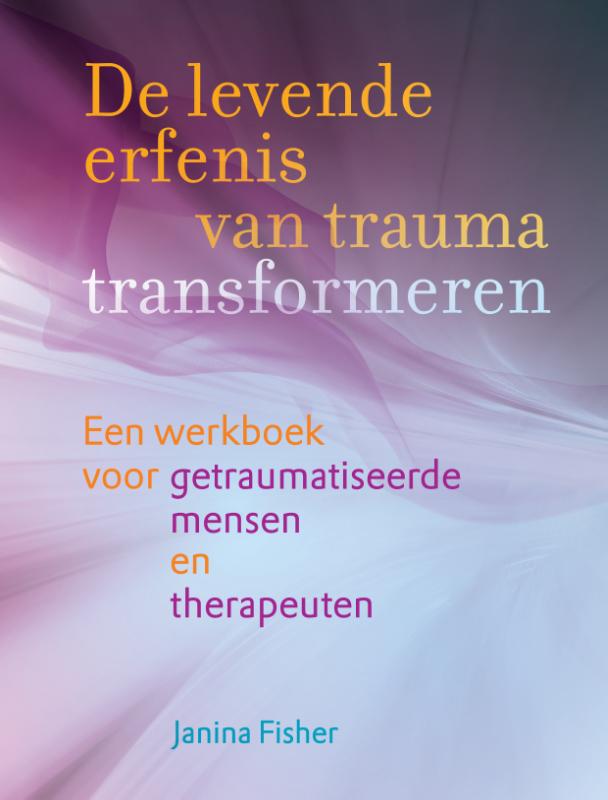
Reading tip
A workbook for traumatized people and therapists
More about this topic
- What is trauma?
- What are the consequences of trauma?
- Can you recover from trauma?
- Different types of trauma
Related articles
- What is trauma?
- What are the consequences of trauma?
- Can you recover from trauma?
- Different types of trauma