What is the fawn response?
The fawn response is a survival response. This is common in people who have a history of complex trauma and/or have lived in long-term insecurity. The fawn response manifests primarily in relationships.
The fawn response means that you try to reduce danger by keeping the other person happy. You do not fight, you do not flee, you nervous system focuses on reducing threat through compliant behavior.
The fawn response is also controlled by the autonomic nervous system. There is stress and threat, but fighting or fleeing feels/is not possible or too dangerous. The solution the system then chooses is: connect to survive.
The fawn response in action
With your sympathetic nervous system very active (there is tension and alertness), your energy is directed outward. You scan:
- What does the other person need?
- How can I keep the situation or the other person calm?
- What should I do to prevent rejection, anger, or escalation?
This happens largely unconsciously and automatically. Under stress, you have less access to your prefrontal cortex, the part of the brain that helps us think and weigh our options. As a result, you react out of a survival instinct rather than based on conscious choices.
How does the fawn response occur?
The fawn response often arises in situations where both dependency and a sense of insecurity are present. For example, in someone who grows up with or lives alongside emotionally unpredictable, absent, or boundary-violating others. In such cases, fighting or fleeing often doesn’t feel like an option. Your system looks for a way to stay safe, and adapting or people-pleasing can then be the best strategy for maintaining connection.
The fawn response is therefore a clever and necessary means of survival.
How do you recognize the fawn response?
When the fawn response is active, you may recognize one or more of the following patterns:
- Trouble saying no or setting boundaries
- A strong focus on the feelings and needs of others
- Feelings of guilt or shame when you put yourself first
- Avoiding conflicts, even if it comes at your own expense
- The feeling of losing yourself in relationships
- Chronic stress, fatigue, or a feeling of emptiness
On the inside, there is often stress and anxiety, while on the outside you come across as calm, friendly, and helpful.
The Downside of Fawning
Although the fawn response was once necessary and helpful, in the long run it can become exhausting or burdensome, or even harmful. Your nervous system remains in a state of hypervigilance, making it harder to take good care of yourself:
- Your own feelings and needs fade into the background
- Setting boundaries feels difficult
- Relationships can be unbalanced or exhausting
- Your body can remain tense for a long time
As with others trauma responses The nervous system becomes unbalanced and disrupted if this condition persists for too long.
‘Just be more assertive!’
That’s not how it works. Letting go of the fawn response doesn’t require willpower, but a sense of safety. Your nervous system needs to learn, step by step, that it’s safe again to feel your own boundaries, emotions, and impulses. And that connection no longer means you have to conform; that it doesn’t have to come at the expense of yourself.
Trauma therapy en body-oriented approaches can help you feel more grounded, let go of old survival patterns, and make room for healthy, reciprocal connections.
The fawn response isn’t a weakness, but a smart survival strategy—a sign of adaptability. Now your body and brain can learn that there are other, safer ways of living that are more supportive of you. That creates more space for who you truly are.
Reading tip
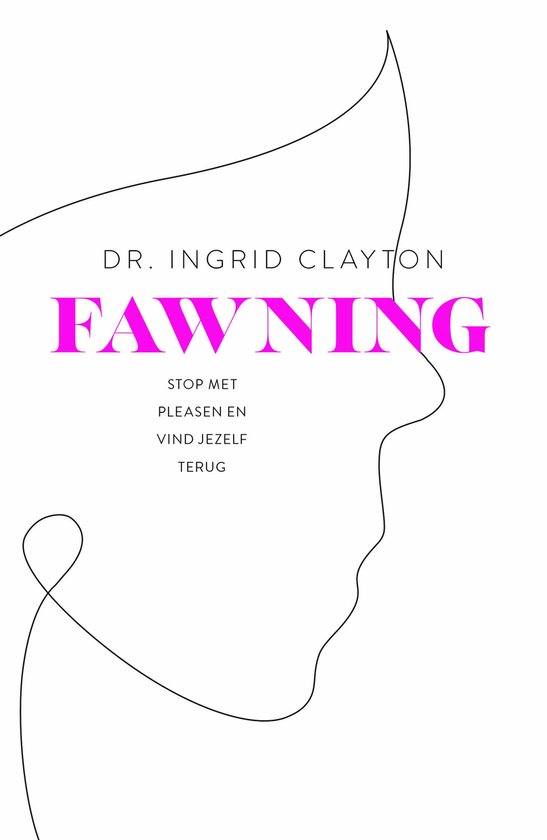
Fawning - Ingrid Clayton
Stop trying to please others and rediscover yourself
More about this topic