The functioning of the autonomic nervous system
To assess the impact of trauma To properly understand your nervous system, it is important that you understand how the autonomic nervous system works. This system regulates all unconscious and automatic processes in the body, such as breathing, heart rate, and body temperature.
The autonomic nervous system consists of two branches with opposing effects. On one side you have the sympathetic nervous system, which is also called the accelerator pedal, and on the other side the parasympathetic nervous system, also called the brake pedal.
At the sympathetic nervous system hears action and energy. When this system is active, your heart rate goes up, more blood goes to your muscles, and if necessary, you can start running or defend yourself. At the parasympathetic nervous system features the opposite: rest and relaxation. When this system is active, your heart rate slows down, more blood goes to your organs for digestion, and there is room for rest and recovery.
Your nervous system in a harmless situation
In a healthy, non-threatening situation, the sympathetic and parasympathetic nervous systems work well together and respond flexibly to the environment. Sometimes a little more gas is needed, for example when you have to give a presentation and need to be sharp, or when you have to run to catch the bus. And sometimes a little more brake is needed in order to slow down and relax.
Everyone also knows a situation where something exciting happened and you could feel that your body reacted strongly to it. Your heart rate probably went up, you got warm, and you felt a rushed sensation inside. That is the sympathetic system running at full speed, enabling you to take action if necessary. So, very functional.
Once the tension is gone, your parasympathetic system takes over again and calm returns to your system.
Your nervous system during threat and trauma
What happens now in a situation that is too exciting or too frightening and in which you can no longer fight or flee? Then your nervous system overwhelmed. So much stress enters your system that there is only one solution left, namely the emergency brake.
When that emergency brake is pulled, you can notice it by suddenly feeling numb, getting a fog in your head, no longer being able to feel your body and emotions. It might even be that you cannot move for a moment and everything seems frozen. This is also known as dissociation named.
Webinar: 2 november 2026, 19:00 uur
Trauma en dissociatie: hoe je brein je beschermt
In conversation with Tamar van Raalten

Playing dead to survive
Although it can be an unpleasant experience to no longer be able to feel or move yourself and your body, its function is very important. Namely, to ensure that you survive. This phenomenon can also be seen in animals that play dead in the face of a major threat, and are thus less interesting to their attacker.
Besides that this can help prevent further damage, another ‘advantage’ of the emergency brake (or: dissociation) that you briefly do not consciously experience what is happening and what you are feeling. Because that is simply too much to bear. In that regard, that emergency brake is an ingenious system that helps us humans survive horrific things. But unfortunately, there is also a downside.
The need to release tension
At the moment the emergency brake is applied, there is a tremendous amount of energy and tension present in your system. You are effectively brought to a standstill from top speed in one fell swoop. To properly process what has just happened to you, it is important that this voltage can be discharged. Animals are generally very good at this and, for example, start shaking when something exciting has just happened.
We humans can do this too, and that is a very healthy way to get rid of tension in your body again. What also helps is being able to talk about what happened to you after a traumatic experience, sometimes a hundred times in a row, being comforted and getting support from someone who can calm you down a bit.
In the best case, this prevents you from becoming traumatized and allows you to process the event well. You will then not develop long-term symptoms.
Trauma occurs when tension gets trapped
But when you are unable to release the tension and there is, for example, a lack of support from your environment, the stress gets trapped in your body. As a result, your autonomic nervous system—the one with that gas and brake pedal—becomes deregulated, and your stress system remains continuously revved up. You can no longer brake properly or relax, and at the slightest provocation, the gas pedal goes all the way down.
This has a major impact on your mental health, but also on your physical health. A little bit of stress is not unhealthy and sometimes even very functional, but too much stress and chronic stress eventually become toxic and affect your immune system, your hormonal system, and the functioning of your brain. With all the consequences that entails.
This also explains why many traumatized people often develop physical symptoms and chronic conditions such as autoimmune diseases, cardiovascular diseases, and gastrointestinal problems. Especially when trauma occurred in childhood while your body and mind were still developing.
Coping with a dysregulated nervous system
Trauma can have a major impact on the functioning of your nervous system and seriously disrupt your stress system. Fortunately, there are things you do can to deal with this dysregulation and ensure greater regulation. Trauma therapy can also be helpful in calming your nervous system.
The following guidelines may be useful:
Book recommendation
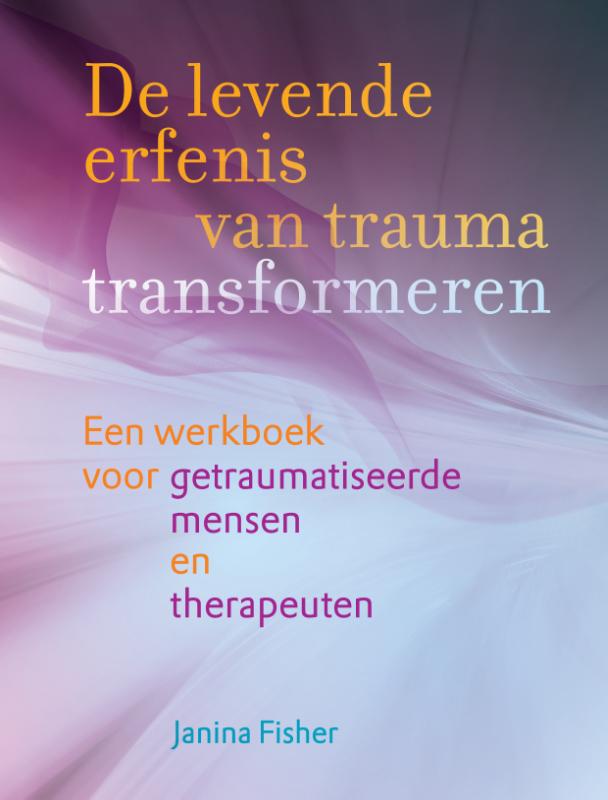
Transforming the living legacy of trauma
A workbook for traumatized people and therapists
Book recommendation
The vagus nerve workbook
Reducing anxiety, experiencing safety, and coming home to yourself using the polyvagal theory

More about this topic
- What is trauma?
- What are the consequences of trauma?
- Can you recover from trauma?
- Different types of trauma