Complex PTSD is the result of complex trauma.
When complex trauma even in childhood, it is also referred to as developmental trauma or early childhood trauma. If, as a child who is still in full development, you are already exposed to traumatic experiences, this can have major consequences for the development of, among other things, your brain, personality, and emotional, cognitive, and social skills.
These consequences can lead to complex and persistent problems that have a major impact on your health and daily life. Hence the term ‘complex’ PTSD.
The origin of the term ‘complex PTSD’
In 1980 PTSD officially recognized as a mental disorder and included in the Diagnostic and Statistical Manual of Mental Disorders (DSM). In the 1990s, various researchers and mental health professionals subsequently noted that people who had been exposed to prolonged traumatic experiences exhibited specific symptoms that were not fully covered by the diagnostic criteria for PTSD. Furthermore, these individuals did not respond, or responded less well, to standard PTSD treatments.
They then proposed the term ‘complex PTSD’ or CPTSS to acknowledge the complex impact of repeated and prolonged traumatization and the need for more specific treatment for it.
Despite frequent requests from researchers and relief workers, complex PTSD has not yet been included in the DSM as a separate disorder. Nevertheless, it is recognized in some guidelines, studies, and by relief workers as a useful classification that reflects the complexity of long-term traumatization.
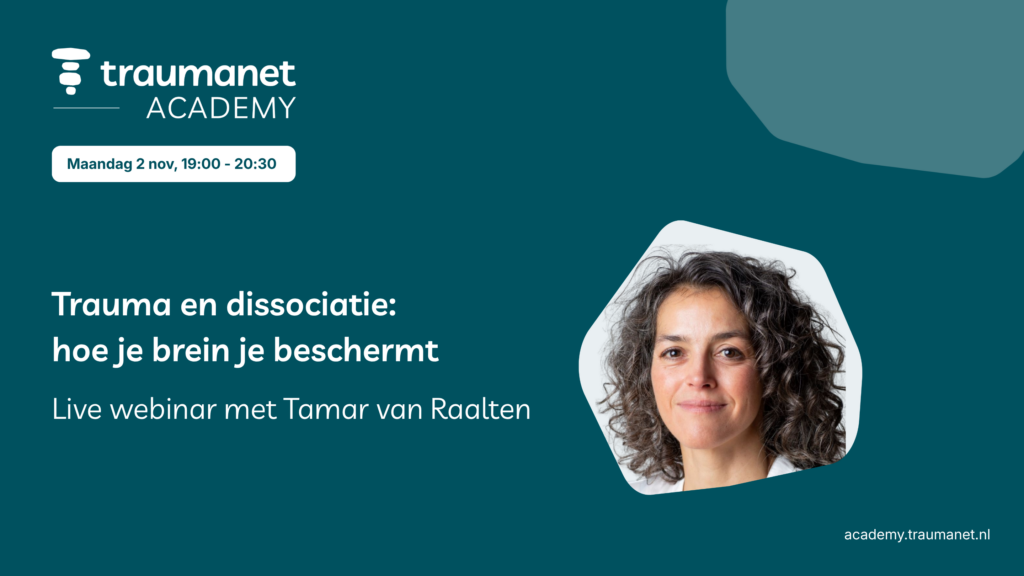
Webinar: 2 november 2026, 19:00 uur
Trauma en dissociatie: hoe je brein je beschermt
In conversation with Tamar van Raalten

Causes of complex PTSD
Unlike ‘classic’ PTSD, which can develop after experiencing a single traumatic event, C-PTSD is usually caused by prolonged and repeated exposure to traumatic experiences. This is also known as complex trauma. This exposure often begins in childhood.
For example, it can involve experiencing long-term abuse, sexual abuse, severe neglect, or growing up in chronically stressful and unsafe conditions. In many cases, it involves an accumulation of various traumatic experiences.
Risk factors for developing CPTSD
- Lack of social support
- Insecure attachment
- Being dependent on the person who abuses and/or neglects you
- Inability to flee or defend oneself
- Early exposure to traumatic experiences
- Chronically unsafe and/or stressful circumstances: such as living in poverty, facing discrimination, or being bullied
Symptoms of complex PTSD
The complex thing about complex PTSD is primarily the consequences of the traumatic experiences. This impact can be very complex, in the sense of: persistent, profound, and all-encompassing. If you have been repeatedly and prolonged exposed to traumatic experiences, often as early as childhood, you can develop a wide range of emotional, cognitive, and physical complaints.
Next to the PTSD symptoms In addition to ‘classic’ PTSD, such as flashbacks, avoidance, and hyperarousal, with complex PTSD you may also experience:
- Emotion regulation problemsMood swings and difficulty regulating emotions are common. As a result, you can quickly become angry, sad, or anxious, and feel overwhelmed by emotions. Expressing emotions can also be very difficult.
- Negative self-image and low self-confidence: You find it difficult to appreciate yourself, to stand up for yourself, and/or to take care of yourself. You may also hold negative beliefs about yourself and have low self-confidence.
- Difficulty trusting others: In addition to a lack of self-confidence, it is often also very difficult to trust others. Building and maintaining social contacts can therefore be very challenging. Asking for help can also be difficult; you might not dare to trust that someone has good intentions.
Dissociative symptoms (dissociation): in stressful situations or when you are triggered by something, you can dissociate. Things inside you and around you are then perceived less or not consciously at all.
Physical complaints: due to prolonged stress, in the past but perhaps also in the present, you can experience various physical symptoms. Including: headache, gastrointestinal complaints, fatigue, muscle and joint problems, pain symptoms. See also information about trauma and the body.
Treatment of complex PTSD
Standard PTSD treatment is often not sufficient for CPTSS, and sometimes entirely ineffective. Because people with complex PTSD, in addition to PTSD symptoms also experience problems with, among other things, self-regulation, (self-)confidence, social relationships, and dissociative symptoms, a holistic treatment is needed that takes all these aspects into account.
Of treatment of complex PTSD is often a long-term and intensive process. Different forms of trauma therapy can be valuable for reducing symptoms. And for better coping with the consequences of long-term trauma. Including the following:
- Brief Eclectic Psychotherapy for PTSD (BEPP)
- Narrative Exposure Therapy (NET)
- NeuroAffective Relational Model (NARM)
- A body-oriented trauma treatment, such as Somatic Experiencing of Sensorimotor Psychotherapy can be valuable.
Reading tip
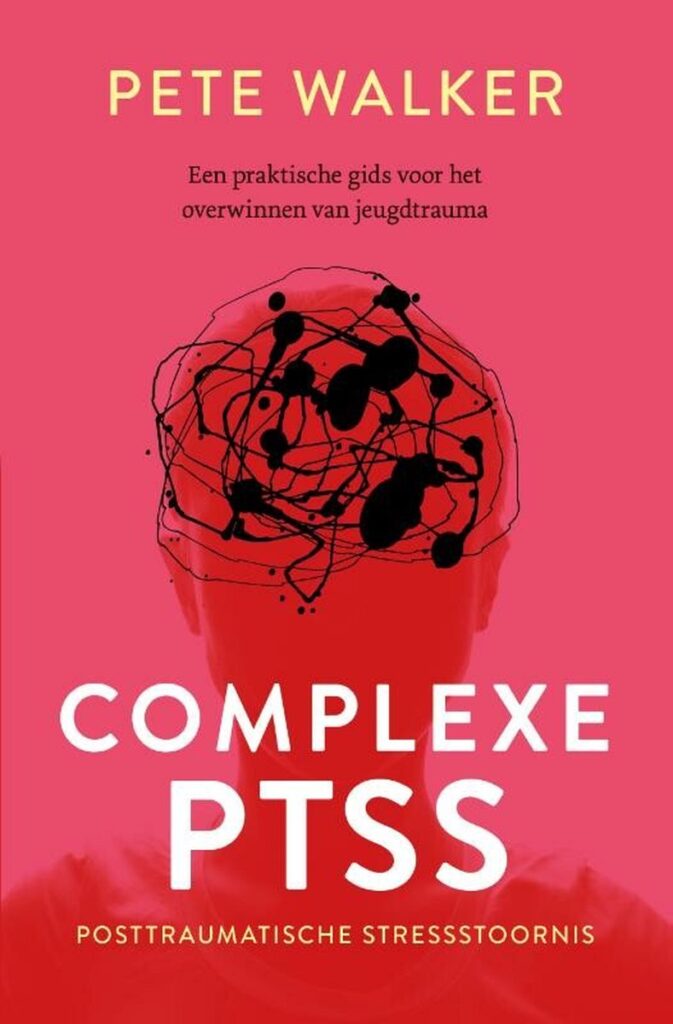
Complex PTSD - Pete Walker
A practical guide to overcoming childhood trauma
More about this topic