Treating PTSD
The goal of PTSD treatment is not only to reduce PTSD symptoms and make memories of the trauma less overwhelming, but also for a person to feel safer again in the here and now and to better resume daily life.
PTSD treatment usually consists of talks with a psychologist or psychotherapist, often combined with specific trauma-focused techniques. Which treatment fits best depends on the nature of the trauma, the symptoms, and personal preference.
Common forms of treatment for PTSD
There are several well-researched and widely used forms of treatment for PTSD. In the PTSD care standard are the following treatments recommended:
- Eye Movement Desensitization and Reprocessing (EMDR)
- Exposure therapy
- Imagery rescripting
- Trauma-Focused Cognitive Behavioral Therapy (TF-CBT)
- Narrative Exposure Therapy (NET)
- Brief Eclectic Psychotherapy for PTSD (BEPP)
- Writing therapy
Other treatment forms that can be valuable for PTSD
In addition to the trauma-focused treatments mentioned in the care standard, other forms of therapy can also be valuable in the PTSD recovery process.
Especially when the body strongly reacts to tension or when talking about what happened is (still) too difficult, body-oriented or experiential therapies can help to reconnect with yourself and your surroundings.
Body- and experience-oriented therapies:
- Creative arts therapy: such as psychomotor therapy, art therapy, or music therapy
- Haptotherapy
- Somatic Experiencing
- Rebalancing
- Sensorimotor Psychotherapy
Webinar: October 1, 2026, 7:00 PM
PTSD and partner relationships - When love is under pressure
A conversation with Aerjen Tamminga

Book recommendation
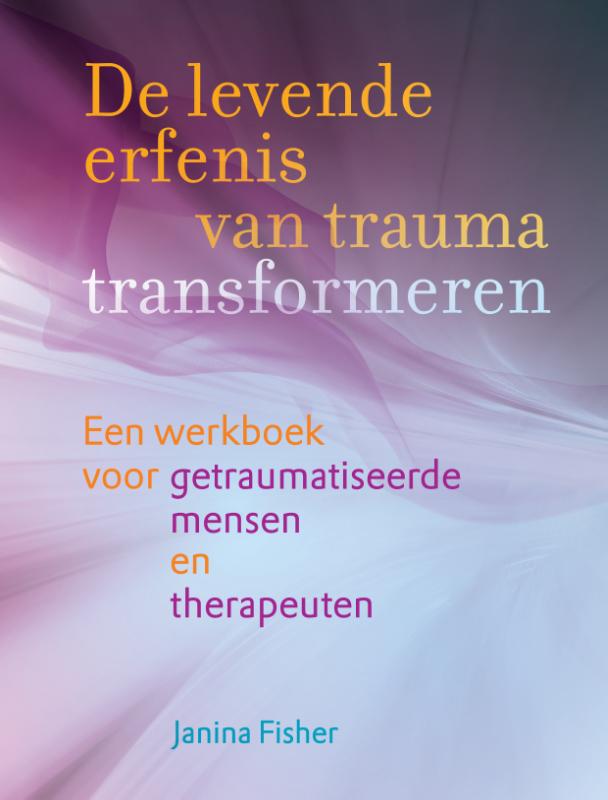
Transforming the Living Legacy of Trauma - Janina Fisher
A workbook for traumatized people and therapists
More about PTSD