What is a panic attack?
Many people who have experienced traumatic events suffer from anxiety and panic attacks. Sometimes this occurs mainly shortly after a major event, but sometimes also years later.
During a panic attack, you are overcome by a wave of intense fear and tension. Both physically and emotionally, it feels severe and intense.
Typical symptoms during a panic attack include:
- Palpitations or pressure on your chest
- Vibration or trembling
- Rapid, shallow breathing (hyperventilation) or shortness of breath
- A suffocating feeling or the idea of fainting
- Sweating and dizziness
- Dissociation (feeling alienated from yourself or your surroundings)
- An intense feeling of fear or threat
Important to know: a panic attack is not dangerous and drops automatically, usually within a few minutes, sometimes up to about half an hour.
Possible causes and triggers of a panic attack
The causes of anxiety and panic in trauma often have to do with the way the brain and body process stress. It alarm system (the amygdala) is set to a higher sensitivity, while the internal ‘reality check’ filters less effectively whether something is truly dangerous. As a result, your internal alarm goes off faster and more violently: this is an ancient survival mechanism.
Possible triggers that can induce a panic attack include:
- Memories or associationsa smell, sound, or image that resembles something from the traumatic event.
- Physical sensationsfor example, a racing heart, shortness of breath, or dizziness. This may resemble what you also felt during a traumatic event, or what your body has stored as an emotional memory.
- Situations of powerlessness or loss of controlthink about being in a crowded room, a closed door, or an authority figure who holds a lot of power.
- Stress and fatiguewhen carrying capacity is lower, your nervous system is more sensitive to stimuli.
- The fear of fear itselfbeing concerned about a subsequent attack can trigger one yourself; you are constantly alert to signs of anxiety and less able to notice positive experiences.
What is a trigger for one person may not be one at all for another. That is very personal. And what is completely normal for people without trauma can trigger a severe panic attack in someone with trauma.
Reading tip
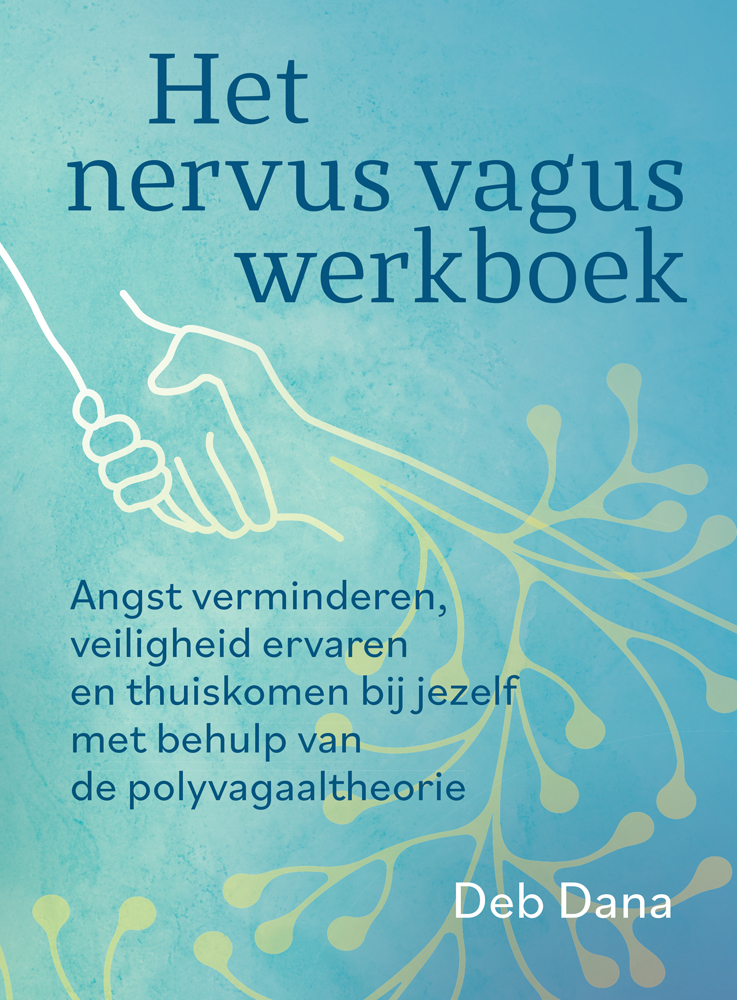
The Vagus Nerve Workbook
Reducing anxiety, experiencing safety, and coming home to yourself using the polyvagal theory
Tools to deal with anxiety and panic
Although fear and panic can be overwhelming, you can learn to cope with them. This requires practice, patience, and sometimes professional support. The tools below can help. Choose what feels manageable and practice even during calm moments.
- Restore safety
When panic strikes, it helps to consciously restore safety first. This can be done by physically seeking out a safe place, or by reminding yourself that it is safe right now. Some people find support in a fixed routine: for example, planting your feet firmly on the ground, pressing your hands against a wall, or consciously looking around the room to clearly see where you currently are.
- Grounding exercises
Grounding yourself is an effective way to break free from flashbacks and return to the present moment. A well-known method is the 5-4-3-2-1 exercisename five things you see, four that you feel, three that you hear, two that you smell, and one that you taste. This draws attention away from the panic thoughts and connects you to the here and now. Physical stimuli such as holding a cold object, washing your hands, or stamping your feet firmly can also provide grounding.
- Regulate your breathing
During panic, the breathing often fast and superficial. This reinforces the feeling of threat. Try to consciously breathe in slowly towards the abdomen (about four counts), hold briefly, and exhale calmly (six counts). This gives the nervous system the signal that there is no acute danger.
- Self-compassion and gentleness
Many people with trauma feel frustrated or ashamed of their anxiety symptoms. It can be helpful to remind yourself that your body is simply responding from an old survival mechanism. It is not a failure, but a sign of how your system once tried to protect you. Being milder Talking to yourself calms your nervous system.
- Structure and self-care
The nervous system functions better when there is a certain regularity. Try to build in fixed routines for sleeping, eating, and relaxation. Avoid excessive use of caffeine, alcohol, or drugs—they increase tension. Seek activities that calm the nervous system. Think of movement, creativity, music, fresh air, meditation, or yoga. This is different for everyone; find what suits you.
- Professional help
Because fear and panic from trauma are deeply rooted, professional help is often needed. Different therapies can help process the core of the trauma and regulate the nervous system's responses.
What you can do as a loved one
Witnessing a panic attack up close can also be difficult for loved ones. You might be startled by it and feel helpless. It is often distressing to see someone so afraid and seemingly out of control. As a loved one, you can still mean a lot:
- Remain calmly presentyour calmness often rubs off on the other person. This is also known as co-regulation.
- Acknowledge the experiencedo not trivialize with comments like ‘nothing is wrong’ of ‘you don't have to be afraid’.Say rather: ‘I see that you're having a hard time, I'm here for you.’
- Ask what helpsEveryone has different needs during a panic attack. For example, one person might want to be touched, while another does not. By discussing this together in advance, you have a better idea of what you can do.
- Help to groundsometimes it helps to shift attention to the environment. Name what you see together or ask the other person to join in with your breathing.
- Respect boundariesDo not force anyone to talk about the trauma if they are not ready yet. Your support does not have to be in words. Proximity and understanding are often enough.
- Encourage professional helpIf panic symptoms have a major impact on daily life, therapy can be an important step. You can support by thinking along, going to an appointment, or offering a listening ear.
Frequently asked questions about this topic