What is a panic attack?
A panic attack can be very intense. You can experience heart palpitations, rapid and shallow breathing (hyperventilation), the feeling that you are suffocating or fainting, trembling, sweating, or dizziness. Mentally, it can also be overwhelming, with feelings of loss of control, intense fear, the conviction that you are dying, or a feeling of detachment from yourself or your surroundings.
A panic attack can completely overwhelm you, even during quiet moments. That makes it extra frightening. Sometimes factors like stress, fatigue, tension, alcohol, or caffeine play a role, but often it seems to happen for no clear reason.
A panic attack is not dangerous
Important to know is that a panic attack is not dangerous and always goes away by itself. When you are right in the middle of it, that might feel unreal, but accepting that the attack is there helps. Fighting the panic often only intensifies the fear. Usually an attack lasts only a few minutes, sometimes a maximum of half an hour. No matter how intense it feels, remind yourself: this will pass.
Tips for dealing with a panic attack
Breathing more calmly can make the panic less intense. For example, try inhaling for four counts, holding briefly, and exhaling for six counts. If this is difficult, someone can guide you by calmly counting along. Also the using your senses helps to bring attention back to the here and now. A well-known technique is the 5-4-3-2-1 exercise. Preferably practice this during quiet moments so that you are familiar with it when panic strikes.
You can stimulate your senses too with, for example, cold (an ice cube in your mouth), warmth (a hot water bottle) or a strong taste (something spicy, sweet or a piece of chocolate). Always make sure this remains safe and pleasant; extreme or harmful stimuli are not helpful for you and your environment.
After a panic attack, it can be nice to talk about it with someone or write down what happened. Sometimes you don't know the trigger, and that is okay too. Then it can be more pleasant to seek distraction and do something that you calms the nervous system further. Think of a walk outside, exercising, being creative, paying attention to a pet, cooking something delicious, or taking a warm bath.
Be gentle with yourselfA panic attack takes a lot of energy, and your concentration may be temporarily impaired. If you have to go right back to school or work, keep that in mind and perhaps let someone you trust know.
When panic attacks recur frequently or strongly affect your daily life, it is wise to seek professional help. You do not have to keep struggling with this alone.
Read the article as well Coping with anxiety and panic attacks
Reading tip
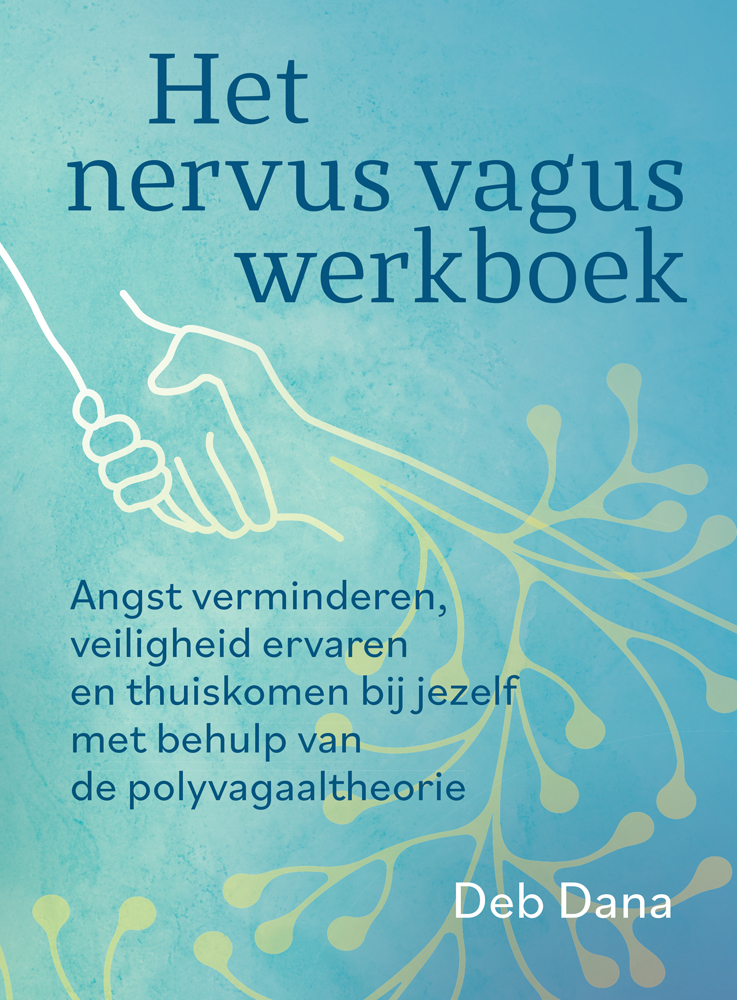
The Vagus Nerve Workbook
Reducing anxiety, experiencing safety, and coming home to yourself using the polyvagal theory